FARMER STORY
Ursina Studhalter
Ottawa Valley, Canada
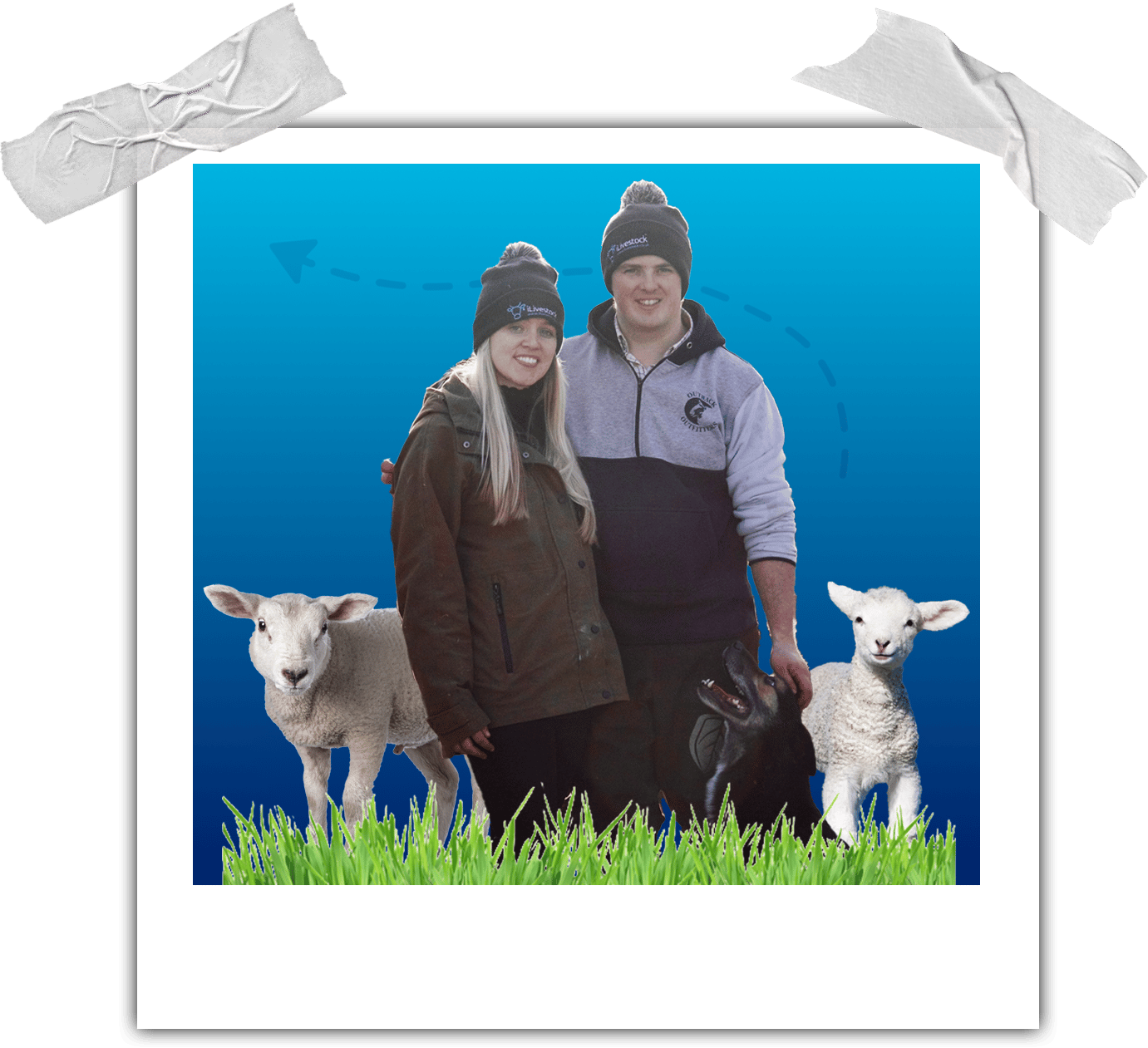
Ursina farms sheep in Canada with her husband, Andrew, combining practical flock management with her professional experience as an agricultural accountant.
FARMER STORY
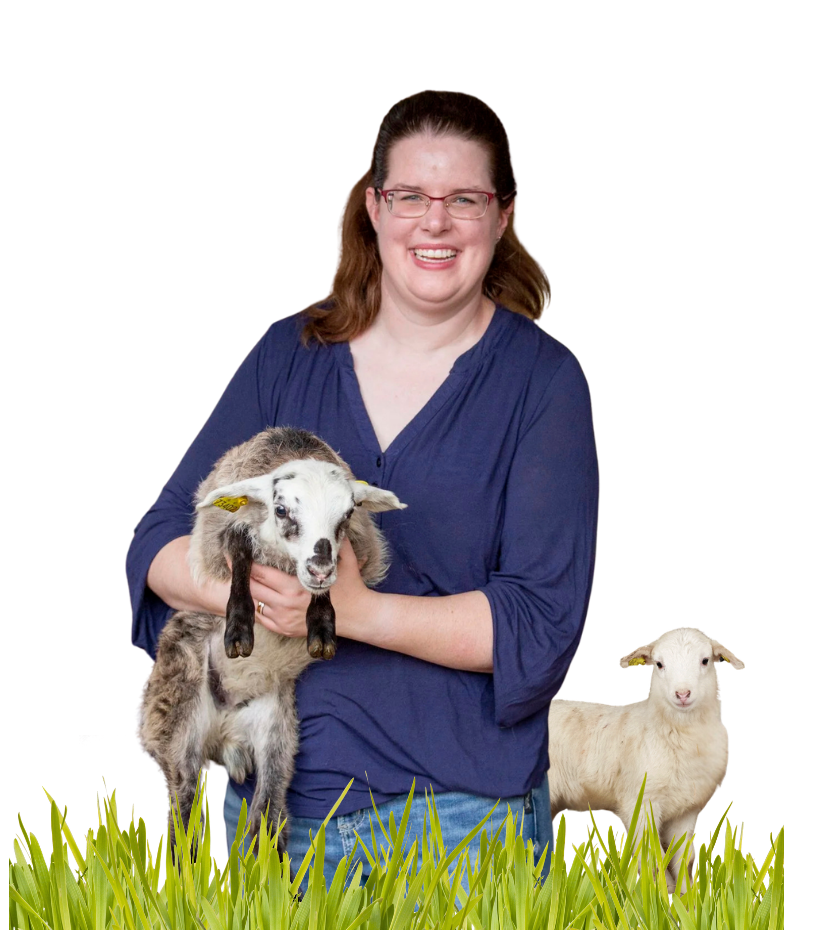
Ursina Studhalter
Ottawa Valley, Canada
Ursina farms sheep in Canada with her husband, Andrew, combining practical flock management with her professional experience as an agricultural accountant.

Finding a better way to use our data
We already collected a lot of information about our flock. The problem was that it wasn’t always available when we needed it.
We had notebooks, spreadsheets and records gathered over several years, but looking back through an individual ewe’s history could be difficult. Recording data and making practical use of it were often two separate jobs.
Our introduction to iLivestock came when one of our tag readers broke. I saw an advertisement for an RFID reader I hadn’t encountered before, looked at the company’s herd-management app and contacted them for more information.
We met an iLivestock representative at the Ottawa Valley Farm Show and came home with a six-month software trial. Within two months, we had adopted the wider hardware and software system.
“The main attraction was the app: our livestock information could finally be used where the decisions were being made.”
Simple enough to use every day
A livestock system only works if everyone who needs it can use it. The iLivestock app runs on the phones and tablets we already have, works without Wi-Fi and gives us access to animal information in the barn and handling area. Our existing livestock data was imported, so we did not have to begin again.
When lambs are tagged, we can record their details immediately. Lambing information is attached to the ewe’s record, and we can add notes or flag animals that need further attention.
That has removed a great deal of duplicate work. I no longer have to collect information on paper and enter it again later, and Andrew can use the system himself while working with the sheep.
Faster weighing and sorting
The crate allows one person to weigh and sort sheep in three directions. The sheep flow well through the system, and Andrew can process approximately 150 lambs in an hour under our farm conditions.
“The information is recorded as the work happens, so there is no separate data-entry job waiting for us afterwards.”
A colour-coded system for flock decisions
The coloured flags in iLivestock have become one of our most useful management tools.
We have developed our own system using the five available colours. A red flag identifies an animal for culling. Other colours help us mark sheep to retain, monitor or treat, distinguish between management groups and identify animals whose history needs another look. We can add a flag whenever we notice something in the field, barn or handling system. When that sheep is scanned later, the flag appears on screen.
This means cull animals are not missed at the next sort. It also gives us an extra prompt to assess monitored ewes and helps ensure that potential replacements do not slip through the cracks.
Where more context is needed, I add a note explaining why an animal has been flagged. I can also flag the offspring of a ewe whose faults are serious enough that we would not want to retain her lambs for breeding.
Connecting breeding decisions across generations
I often flag potential replacement ewe lambs early and evaluate their conformation later. Because their dam’s performance history is available alongside their own record, appearance is not the only factor in the decision.
“… We can look at the animal in front of us and its history at the same time.” ”
Searchable records for everyday questions
The reporting and search tools make our records useful beyond basic compliance.
We can search the information we have recorded and create groups from the results. For example, we can find ewes scanned with twins, animals from a particular weighing session or sheep meeting specific management criteria.
Movements, treatments and other traceability information are held in the same system. We can prepare shipping lists, review session information and manage our two flocks without maintaining separate sets of records.
The system has not been completely without challenges. Our existing Tru-Test reader did not connect to the app as expected, despite support from both companies. We could import sessions, but it would not read tags directly into the app, so we ultimately added an iLivestock eTagReader.
That reader has proved durable and considerably less expensive than replacing our existing reader with the same model.
From stored data to usable information
The biggest difference is not that we collect more data. It is that we can now find and use the information we already collect.
We can open a sheep’s record while standing beside her and see her lambing, weight, treatment and breeding history. Records from different years are connected rather than scattered across notebooks and spreadsheets.
That makes the information useful at the point when we are deciding whether to retain, monitor, treat or cull an animal.
“… Data only creates value when we can access it and act on it, and now we can.”
Ursina’s verdict
Moving to iLivestock has changed how we use flock information. Everything is in one searchable place, and it is available in the barn, at the handling system or out in the field. We can record events when they happen and use each animal’s history to support future decisions.
For us, that is what practical livestock data should do: make the next decision easier.
Transparency note
This story is based on Ursina Studhalter’s account of using iLivestock on her own farm, originally published in The Farming Frontiers Studio Notes on 28 August 2026. The story has been adapted by the iLivestock Team and approved by Ursina before publication. Read Ursina's original article “Shepherding Data Made Easy”
>> Photography by Emily Brown, Em’s Art Photography.