 By
By
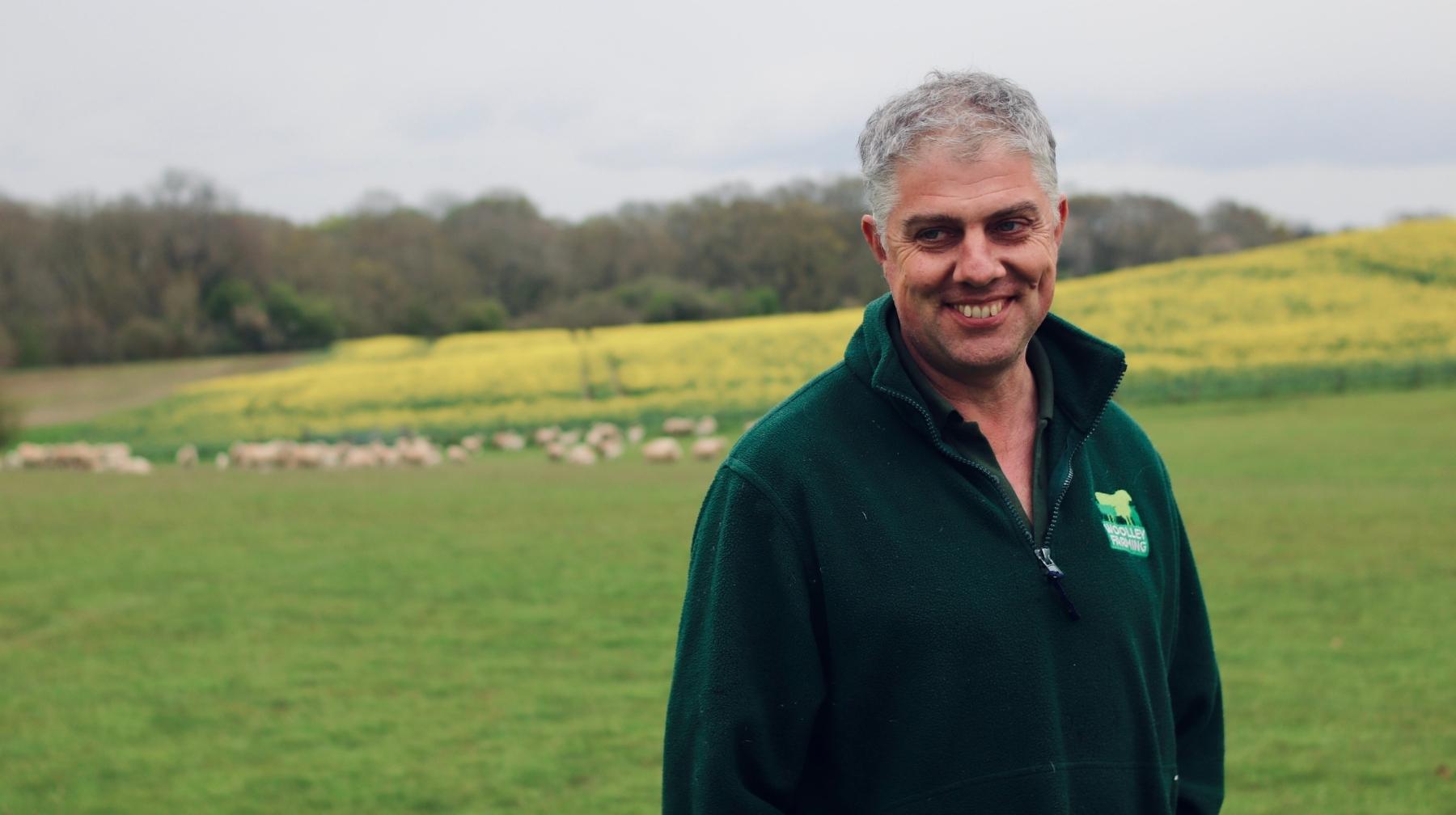
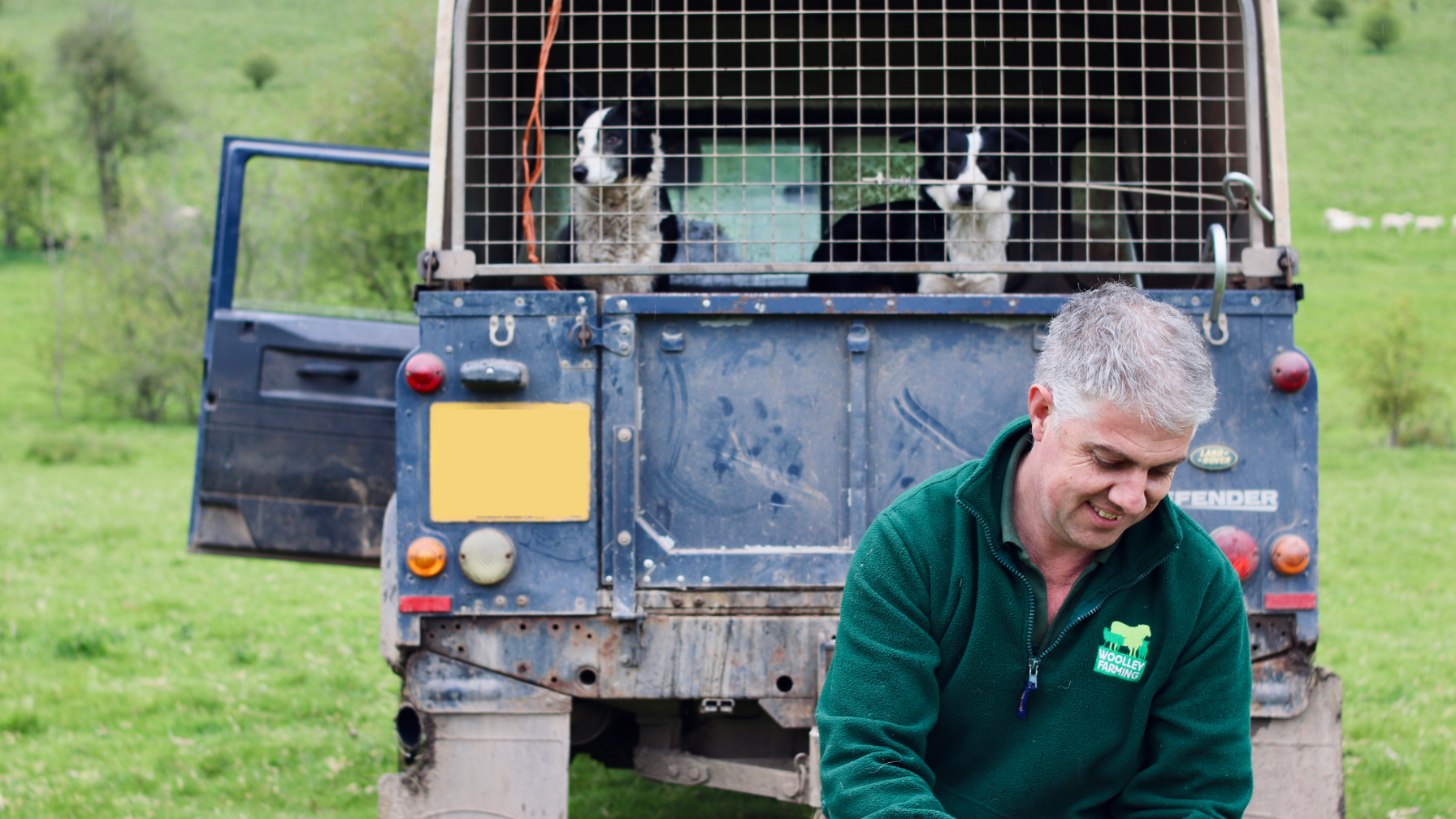
Shropshire-based sheep and arable farmer Hayden Woolley and Farmgene vet Ian McDougall are conducting trials to identify the most productive, low-input sheep for the UK. Ultimately, producing and selling performance-recorded stud stock.
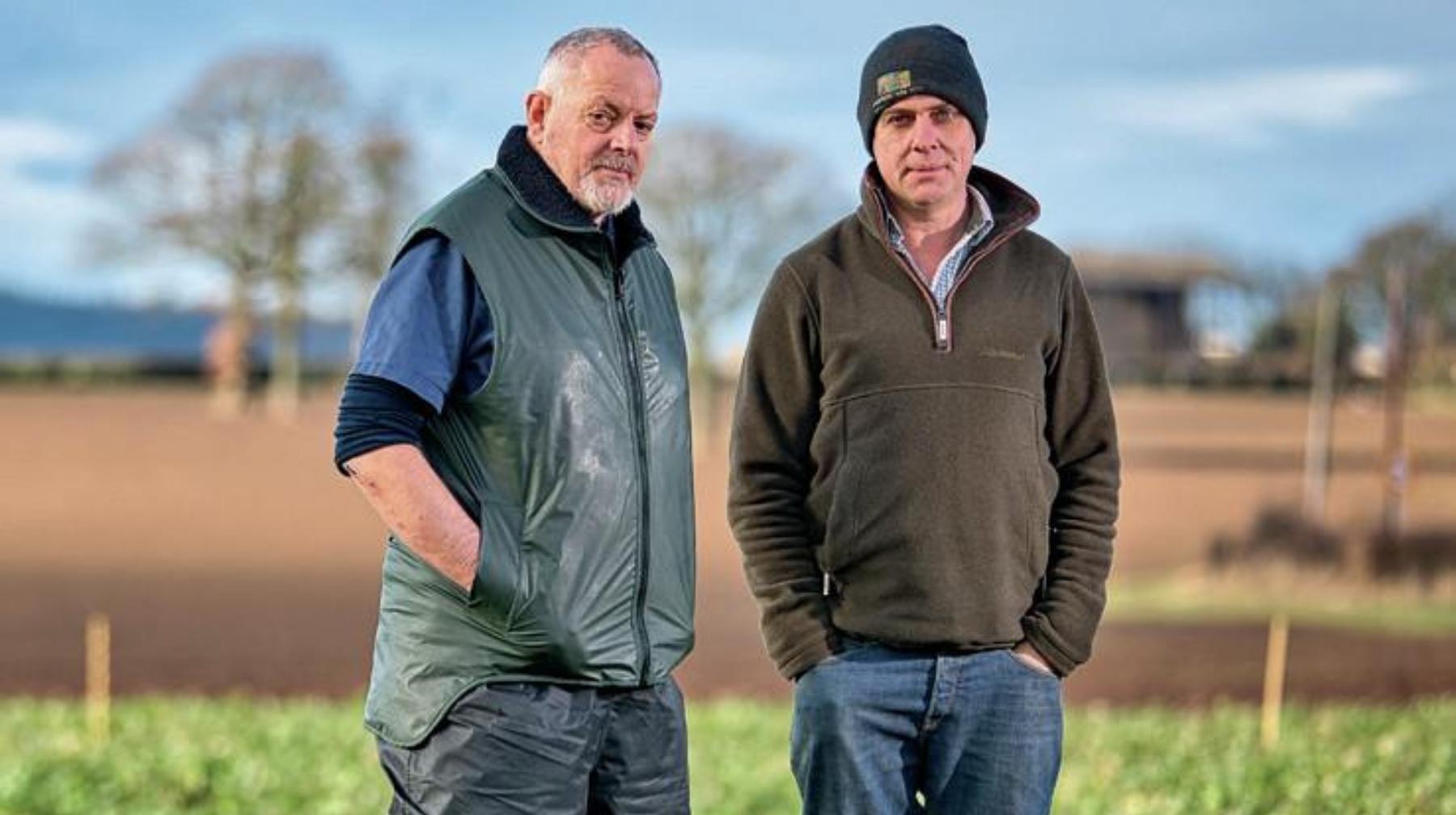
Seven years ago, Hayden began phasing out his Romney ewes after bringing in EasyCare in a bid to reduce costs, as the wool produced didn’t cover the labour costs of crutching and shearing. The results were encouraging, but Hayden and Ian believe there are greater benefits to be had from enlarging the breed’s gene pool to prevent inbreeding and improve key productivity traits.
Zeroing in on the most productive wool-shedding breed
Meeting when Hayden’s flock were chosen to supply embryos to a New Zealand breeder, his hands-on expertise and 4,000 ewe out-door lambing flock, combined with Ian’s wide experience of flock genetics, deliver a wealth of know-how. Combine this with iLivestock’s easy and accurate data capture capabilities to monitor and measure progress, and the pair aim to zero in on the most productive wool-shedding breed for UK farmers.
“Scale plays an important part…”
In genetic trials Ian knows, “Scale plays an important part. The more sheep you can choose from – assuming you select wisely – the more that should result in some exceptional animals being bred.”
Hayden comments, “My main motivation for this project is helping others. I started sheep farming with 60 sheep, and I made every mistake known to man.”
Also with an eye on the future, Hayden continues, “When subsidies go, sheep farmers will need an answer.”
Improving lamb quality, growth, carcass quality and weight
The goal is to find the two best composites: a wool-shedding terminal sire and a wool-shedding maternal sire, improving lamb quality, growth, carcass quality and weight. The breeding to find an improved genetic mix has been:
- 1,280 ewes had embryos implanted or were artificially inseminated. Two highly productive south Australian rams came from two different wool-shedding breeds raised with rainfall and grass viability similar to that of the UK.
- 1,130 ewes were artificially inseminated then split into six groups for repeats to be mated with high-index UK EasyCare and New Zealand Wiltshire chaser rams. Around 70% of ewes held to artificial insemination.
- 600 ewes were single-sire mated to Exlana rams. Plus, 150 embryos (pure Australian White and Australian White cross Nudie) were implanted.
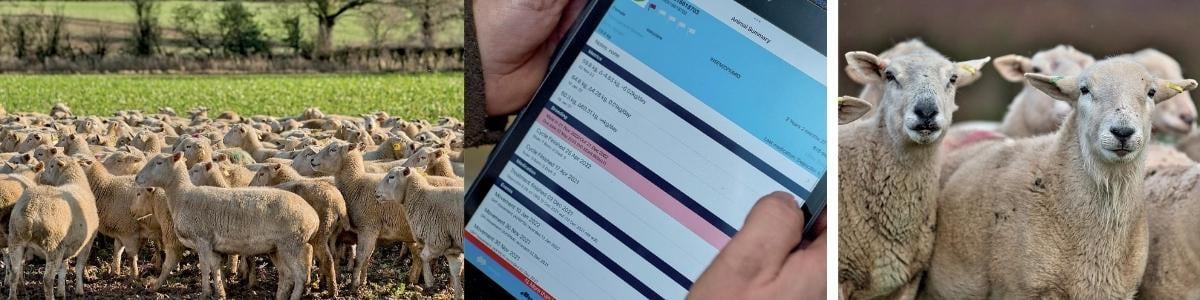
The ability to quickly and accurately record data on each lamb in the field is key to the operation and iLivestock cloud-based platform helps ensure that all critical data is easily captured and accessible via iPad. To create breeding values, all captured data is being sent to Signet and NZ Sheep Improvement Ltd.
“I want to farm them as commercially as possible and let the good sheep rise to the top,” says Hayden, and, to help find the right combination of highly productive traits, a holistic view will be taken of the results.
Ian adding, “There is no point in having an EasyCare maternal flock that is too lean and has oversized lambs. The beauty is that we are not restricted by breed or a brand, so we can let the winners win.”
By 2026, Hayden and Ian hope to have a composite breed that will be a reliable wool-shedding year-round breeder, capable of lambing in the autumn and able to thrive on regenerative arable systems and cover crops.
For the future, Ian is also looking at low carbon footprint breeds in New Zealand, where research into low-methane emission traits in sheep is well advanced. Plus, Australian breeds that are proving more resistant to worms. Adding, “Breeding is a journey, and you never get to the end, but if you are making progress along the way, that is what matters.”
As featured in Farmers Weekly | 'Breeders step up hunt for wool shedding genetics' | February 2023 | Photo credits: Farmers Weekly