 By
By
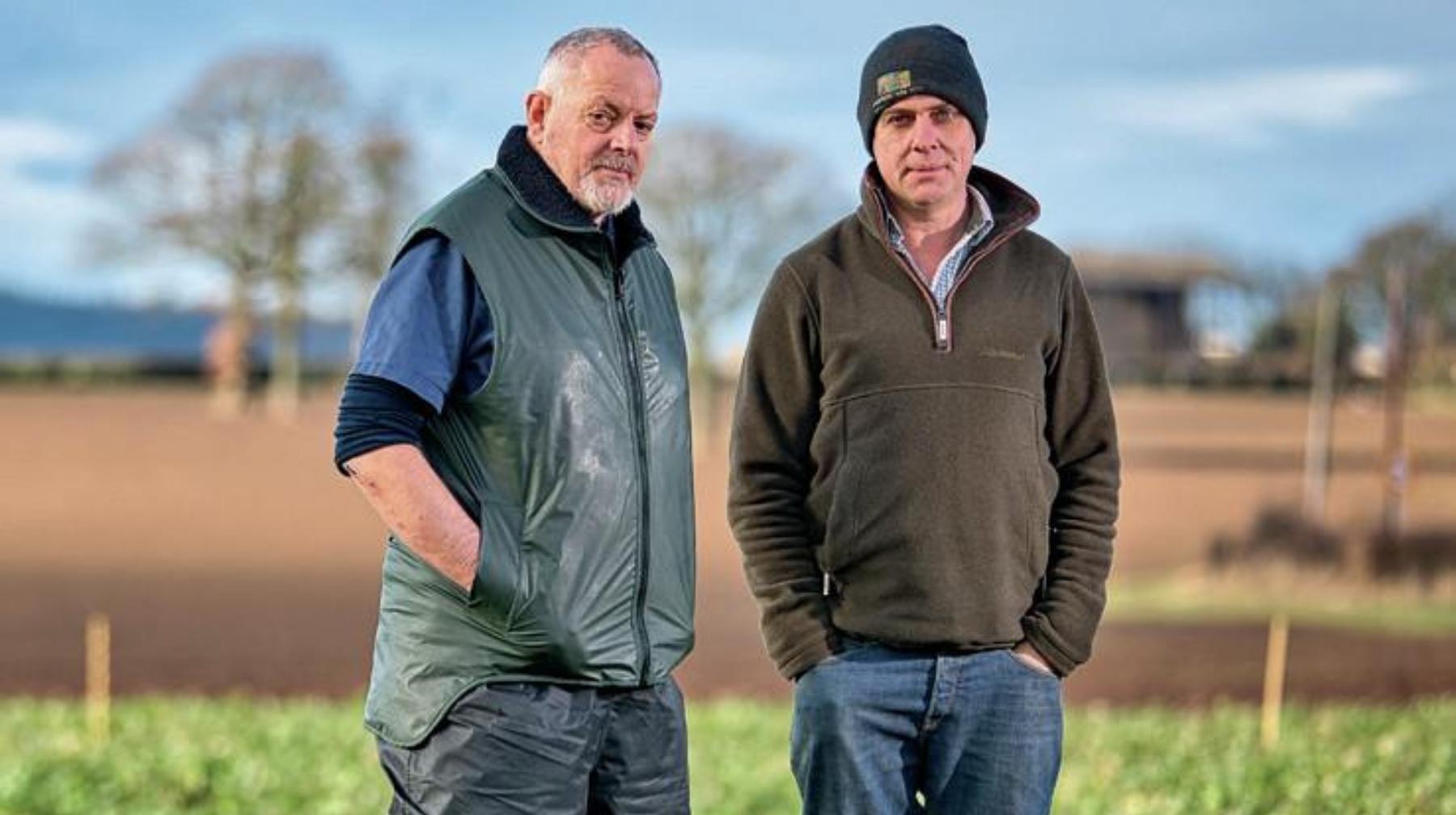
Together with wife Helen, Andrew Powers is a man on a mission. Running their own 350 flock of New Zealand Romney ewes from Marcle Farm in Herefordshire, they also manage their neighbour's 1000-ewe flock and deliver contract shepherding work. Running their flock over 750 acres of mixed quality grazing, resilience is a key breeding feature for Andrew, needing animals that will hold their condition and thrive on the varying qualities of grassland.

Herefordshire Shepherd Uses iLivestock to Strengthen Flock Resilience and Cut Errors
With their hands full, the husband and wife team really appreciate time and resource efficiencies, Andrew explains: “We predominately lamb outdoors, which from a record-keeping and logistics perspective, can soon become hectic."
“Not helped by busy days and changeable weather, we were finding traditional data collection and paperwork could become messy and inaccurate and, from a business standpoint, I did not feel it was the right route for us.”
“iLivestock software appealed to me, because it was an all-in-one system,”
Back in 2019, Andrew took the opportunity to invest in new equipment. At first looking to supplement software he was already using to record stock moments and medicines, Andrew explains: “It worked well for us at the time and significantly improved our data capture capabilities, which was my main priority back then, but with Brexit looming in 2019, an EU grant became available to invest in new equipment. I started looking at new mobile yard handling systems and a digital weigh head, which seemed like the logistical next step to build on what we had already been doing.”
Introduced to iLivestock at a demo event, Andrew was impressed, saying, “The iLivestock software appealed to me, because it was an all-in-one system, compatible with our weigh indicator, that connects the weigh bar and phone to automatically collect data via Bluetooth.
“I instantly liked the equipment and the way it worked. The fact that data is uploaded automatically to my phone, rather than having another piece of kit to remember to take with me, means we use it to its full potential.”
Improving resilience and reducing errors
Today, Andrew and Helen make full use of iLivestock’s features to regularly monitor and easily capture accurate data to improve flock resilience, reduce paperwork and the risk of human error.
“I know the worm burden may be high in places, and it is more efficient for us to breed resilient sheep than to overcome resistant worms. To do this, we have started buying tups from Resilient Romneys in Cornwall.”
“I carry out faecal egg counts and monitor for body condition, so long as the worms are not outcompeting the sharp’s growth rate, then I am happy, so I actively select these animals for breeding.”
Knowing whether we should intervene is invaluable
iLivestock also comes into its own at lambing time, as Andrew goes on to explain, “It’s not as simple to keep track of ewes whey they are outdoors, so we allocate each one a lambing number, which is recorded in the app, along with any other anecdotal information about her.
“This means I can drive into a field to check them over and record whether a ewe looks like she is going to lamb, so I know to check on that particular sheep later on to access her progress, without having to interfere too much.”
Adding, “We will have recorded whether a ewe is having a single or a twin at scanning, and I can easily check my phone at lambing to know what to expect. If she is due twins and can only see one, knowing whether we should intervene is invaluable. This could also indicate predator problems and allow us to nip them in the bud.”
Data is all quickly and easily captured
From date and number of births to health issues, weaning and maturity; noting tagging, weight, vaccination, working, insect treatment and tail hot ironing, the data is all quickly and easily captured as it happens, building a comprehensive record of each animal and all stored within the phone app.
To check condition, Andrew regularly weighs, explaining, “Weighing at four weeks provides a good early indication of the lamb’s health and growth, but also the ewe’s mothering ability, so we can actively select for these traits when breeding future stock.
“They are still feeding from the mother at this point so we can gauge how well they are growing purely on the ewe’s milk, before they start on the grass.”
Weighing again at 12 then 20 weeks, Andrew would like to weigh more regularly, finally adding, “It would really enhance the data and help draw even more detailed trends from the flock. But, at the moment it is not realistic for us to do it more often than when we gather them, and I am still pleased with what we are able to track.”
As featured in Farmers Guardian | ‘Performance Monitoring Improves Efficiencies’, February 2025
.jpg)